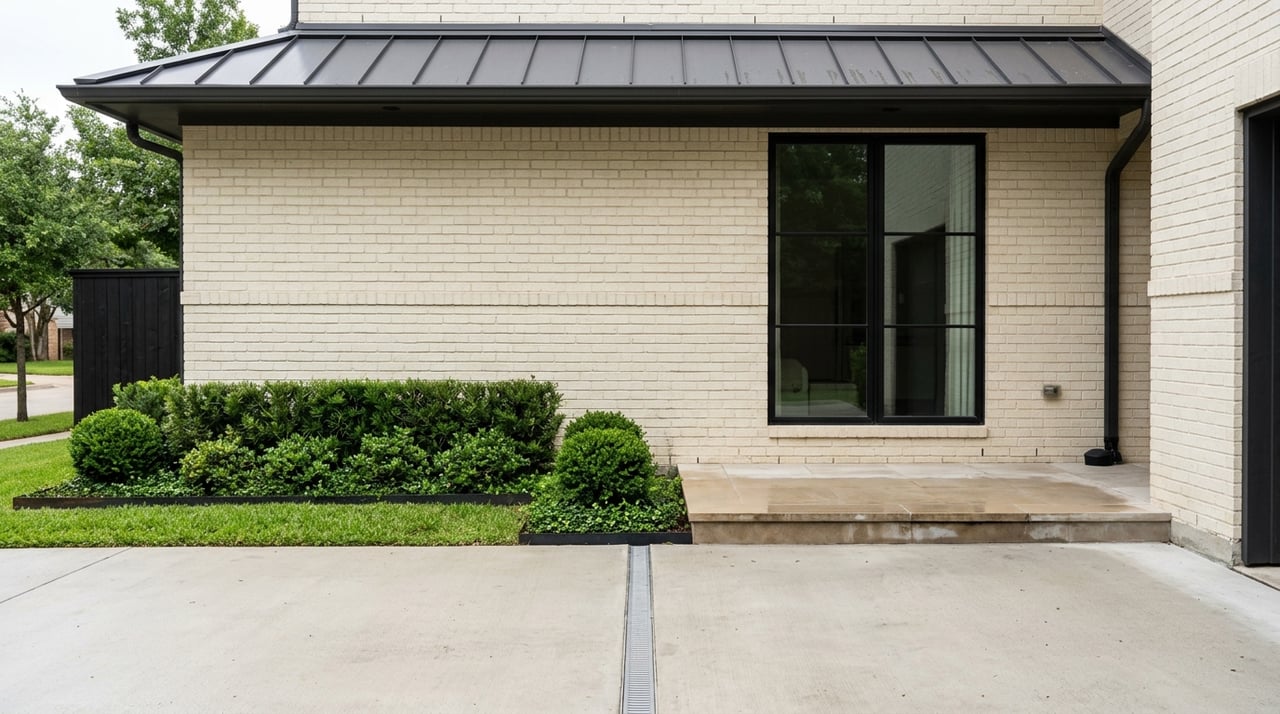
Evaluating Flood Risk and Elevation in Braes Heights
March 26, 2026
March 26, 2026
Thinking about a home in Braes Heights and wondering how much the bayou really matters? You’re not alone. In this part of Houston, understanding flood risk and elevation is essential to protecting your investment and planning smart improvements. In the next few minutes, you’ll learn how to read the right maps, check a property’s elevation, and see how lenders and insurers view homes near Brays Bayou. Let’s dive in.
Braes Heights sits along Brays Bayou within the Brays Bayou watershed. Flood behavior here is driven by the bayou’s capacity and by local street drainage. Project Brays widened sections of the channel, replaced bridges, and added detention basins to reduce peak flows. These upgrades reduce, but do not eliminate, flood risk. Benefits are location specific, so two nearby homes can experience very different outcomes during the same storm. You want to evaluate risk at the address level.
The FEMA Map Service Center is where you pull the official Flood Insurance Rate Map for an address. Use it to find the panel number, flood zone (AE, A, X), and any published Base Flood Elevation values. This is the map lenders reference for the mandatory insurance rule and is your baseline for determining if a structure sits in a Special Flood Hazard Area. Access it here: FEMA Flood Map Service Center.
The Harris County Flood Education Mapping Tool (FEMT) overlays FEMA maps with local 2D ponding models, bayou channels, and project layers. For Braes Heights, the ponding depth layers are especially helpful to understand street drainage and backyard ponding that FEMA maps may not show. Explore those layers here: Harris County FEMT.
Before you compare addresses, get comfortable with key flood terms and map symbology. FEMA’s tutorials explain how zones, BFEs, floodways, and panels work together. Start with: FEMA flood mapping tutorials.
A critical note: many flood claims occur outside FEMA’s high‑risk zones. That is why you should always pair the FEMA map with local ponding data before you assess risk or insurance cost. See FEMA’s CRS guidance that discusses claims outside mapped high‑risk areas: FEMA Community Rating System manual.
Elevation at the structure matters as much as the zone. An Elevation Certificate (EC) documents your building’s measured elevations, including the lowest finished floor. Under FEMA’s Risk Rating 2.0, an EC is not always required to buy NFIP coverage, but accurate elevation can still reduce premiums when the data are favorable. Learn what an EC includes here: NFIP Elevation Certificate overview.
If a home is mapped in a high‑risk zone but the surveyed elevation shows the building is above the BFE, you can apply for a Letter of Map Amendment (LOMA) or a Letter of Map Revision (LOMR). A LOMA can remove the federal mandatory purchase requirement for that structure. Submission requires documentation such as the legal description and elevation data; get the process steps at FEMA’s portal: FEMA Online LOMC help.
Keep in mind, even if FEMA issues a LOMA, a lender can still choose to require flood insurance as a condition of the loan. Confirm with your lender during your option period.
If you plan to renovate or rebuild in Braes Heights, City of Houston floodplain rules require demonstrating mitigation and a finished‑floor elevation above the Designated Flood Elevation. In many cases, new work must be at least 24 inches above the DFE. This is stricter than the national minimum and can impact design and cost. Review the City’s floodplain permit guidance and checklist: Houston Permitting Center floodplain guidance.
Harris County and municipal offices also enforce floodplain development permits and post‑construction elevation certificates. When evaluating a property, check for prior permits and any posted ECs in the public record.
Project Brays widened parts of Brays Bayou, replaced multiple bridges, and added detention basins to increase capacity. These upgrades can reduce peak flows and lower flood depths for certain storms. That said, benefits vary by location. Local tailwater conditions and neighborhood drainage still determine street‑level ponding during heavy rains.
To understand how a specific lot is affected, look at HCFCD’s project and floodplain maps. Pay attention to detention basins and any Conditional Letters of Map Revision that may update expected water surface elevations near your block. Start here: HCFCD Project Brays floodplain maps.
Pull the FEMA map and local layers. Use the FEMA MSC to identify the flood zone and any BFE, then open the Harris County FEMT to view ponding depths and nearby channels. Save screenshots to your file.
Ask the seller for documentation. Request any Elevation Certificate, flood insurance declarations pages, and floodplain permit records. Texas sellers must disclose known flood damage and whether they filed flood claims.
Order an Elevation Certificate if missing. If the home appears raised or recently rebuilt, an EC from a licensed surveyor can clarify first‑floor height and sometimes reduce an NFIP premium under Risk Rating 2.0.
Check permit history. Search the City of Houston permitting records for floodplain development permits and any LOMA or LOMR tied to the parcel. This reveals past mitigation and whether substantial improvements triggered elevation rules.
Confirm lender requirements early. Ask for the lender’s flood determination and whether they accept private policies that meet federal criteria.
Get quotes from both NFIP and one private carrier. Provide accurate building data, including any EC, to see the spread under Risk Rating 2.0. Compare limits, exclusions, and waiting periods side by side.
Evaluate drainage beyond the bayou. Use FEMT ponding layers to assess street and driveway risk, check nearby inlets and outfalls, and talk to neighbors about observed street flooding.
Plan mitigation with ROI in mind. Common measures include elevating utilities, adding backflow preventers, protecting low openings, and, where feasible, raising finished floors for major projects. Confirm what the City will require before you draw plans.
When you compare two homes near Brays Bayou, move past neighborhood labels and focus on address‑level facts. Use the matrix below as a starting template for your due diligence file. This keeps your decision anchored in measurable items that affect comfort, cost, and insurability.
| Comparison Item | Address A | Address B |
|---|---|---|
| FEMA Zone (AE/A/X) | ||
| Floodway Touches Structure | ||
| Freeboard vs. BFE (feet) | ||
| Elevation Certificate on File | ||
| LOMA/LOMR on Record | ||
| Nearby Detention or Channel Upgrade | ||
| Prior NFIP Claims for Structure | ||
| CRS Discount Applies |
Project Brays has improved flood conditions in parts of the watershed, but parcel‑level risk still varies. The smartest approach is systematic: pair FEMA maps with local ponding data, verify elevation with an EC, check permits, and confirm lender and insurance details before you finalize terms. With the right prep, you can balance Braes Heights’ location benefits with clear, data‑driven risk management.
If you want a calm, expert walkthrough of these steps for a specific address, schedule a consult. As your neighborhood‑focused advisor, Tahira Syed will help you navigate the details so you can buy or sell with confidence.
Stay up to date on the latest real estate trends.




When it's time to move, you need someone who will advertise your home, show it to prospective buyers, negotiate the purchase contract, arrange to finance, oversee the inspections, handle all necessary paperwork and supervise the closing. Tahira can take care of everything you need, from start to close.