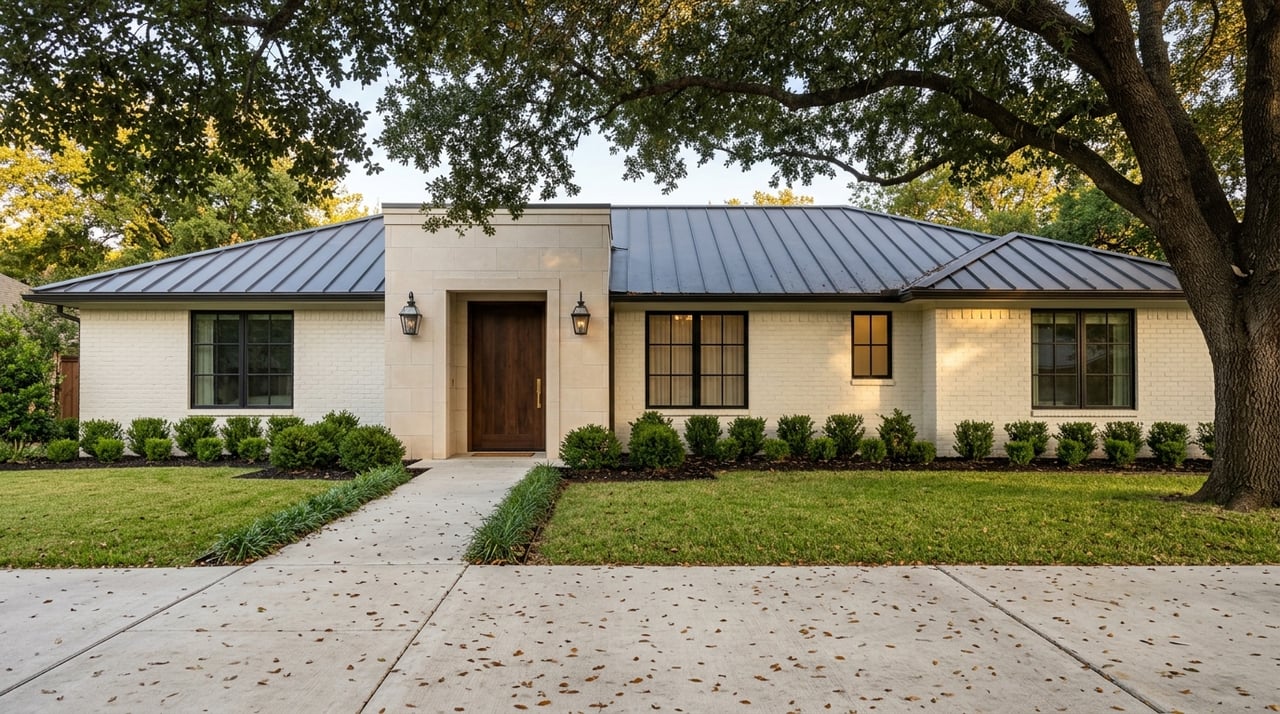
Bellaire New vs Original Homes: How to Choose
May 7, 2026
May 7, 2026
If you are house hunting in Bellaire, one question comes up again and again: should you buy an original cottage or ranch, or go straight for a newer build? It is a smart question, especially in a city where older homes and custom construction often sit side by side. If you are weighing budget, upkeep, lot size, and long-term plans, this guide will help you compare both paths with more clarity. Let’s dive in.
Bellaire is a compact city that is nearly built out, according to its planning documents. That means much of its future change is expected to come through redevelopment rather than large new areas of expansion. In practical terms, you will often see 1950s and 1960s ranch homes alongside much newer custom homes.
That mix is a big part of Bellaire’s appeal. It gives you very different ways to enter the market, depending on what matters most to you. Some buyers want character and flexibility, while others want turnkey space and newer systems from day one.
Bellaire remains a high-price market, and that matters when you compare old versus new. HAR reported a median sold price of $1,271,500 in Bellaire in February 2026, while the broader Bellaire area showed a median sold price of $1,287,926 in April 2026, with 2.8 months of inventory and 29.7 average days on market.
That backdrop helps explain why this decision feels so important. In a still-competitive market, the gap between an older home and a new build can be substantial, and each option brings a different mix of upfront cost and future planning.
For many buyers, an original cottage or ranch is the more approachable entry point into Bellaire. Current HAR examples show that older homes can still come in well below the pricing of many new builds.
One example was 5213 Linden, a 1950 single-family home with 1,863 square feet on an 8,750-square-foot lot, listed at $649,750. Another was 142 Beverly Lane, a 1946 ranch on a 7,000-square-foot lot that sold in the $717,001 to $827,000 range.
That price difference can open up options. You may be able to buy into Bellaire, live in the home as is, renovate over time, or plan a larger future project depending on the lot and city requirements.
In Bellaire, the value of an older home is often tied as much to the land as to the structure itself. City planning guidance outlines different residential patterns, including small-lot residential starting at a minimum 5,000-square-foot lot, while other areas have deeper, wider lots and some estate areas reach an acre or more.
For you, that can translate into flexibility. A larger or well-positioned lot may support a renovation, addition, pool, or even a teardown and rebuild, depending on zoning, setbacks, deed restrictions, and approvals.
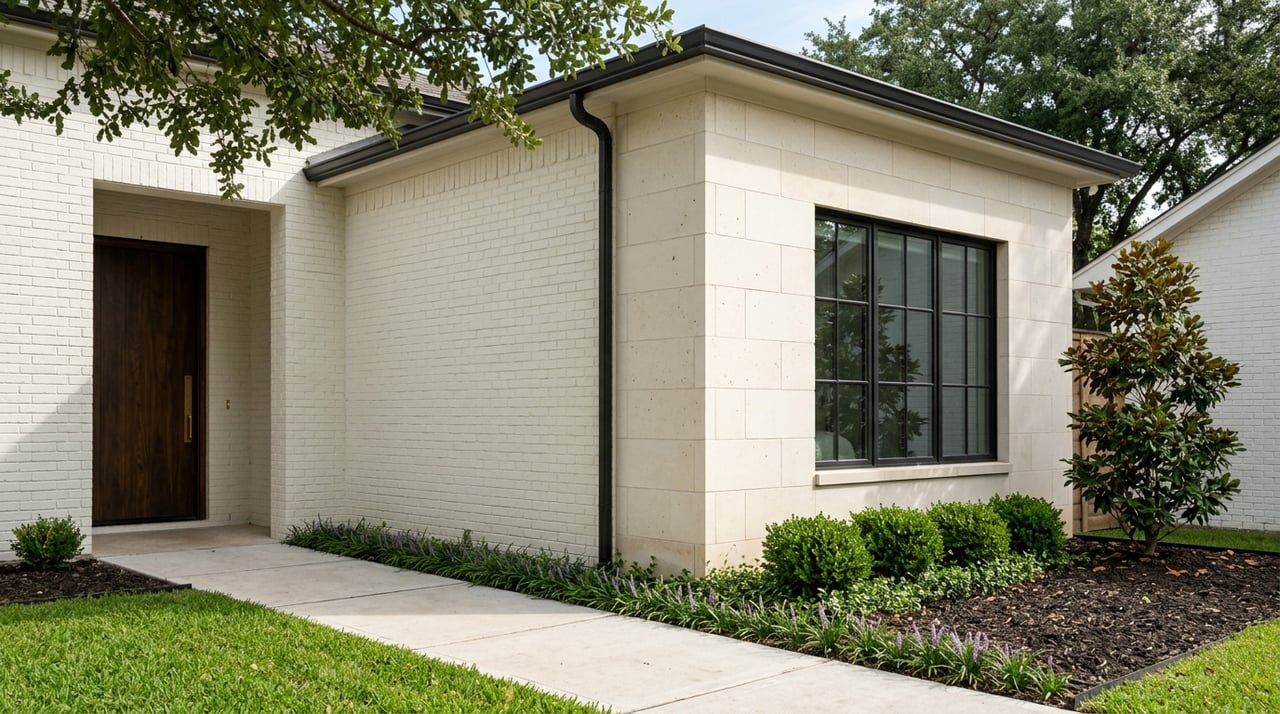
Older homes also tend to appeal to buyers who like established surroundings and architectural charm. In many cases, they offer mature trees and a yard feel that can be harder to replicate with newer construction.
That does not mean every older home is the right fit. But if you value character, outdoor space, and the chance to personalize over time, an original Bellaire home can be worth a close look.
The lower purchase price of an older home often comes with higher maintenance responsibility. Older systems and materials can mean more repairs, more updates, and more planning than a buyer would face in a newer property.
Bellaire also makes clear that flood risk is a citywide issue, not just something limited to mapped floodplain areas. That makes due diligence important no matter which home you choose, but it can be especially relevant when you are evaluating an older house with aging components or considering future renovation work.
If you are thinking, “We will just remodel later,” it helps to go in with open eyes. Any major remodel or rebuild must go through Bellaire’s Development Services process, which handles permits, plan uploads, and inspections through SmartGov.
That means the original-home path can be rewarding, but it is not always simple. Even a straightforward renovation can involve city review, timelines, and coordination before construction begins.
City rules are only part of the picture. Bellaire advises builders and property owners to check deed restrictions in addition to city requirements.
If you are buying with future plans in mind, this step is essential. A lot may look promising at first glance, but your renovation or rebuild vision still needs to fit both public rules and private restrictions.
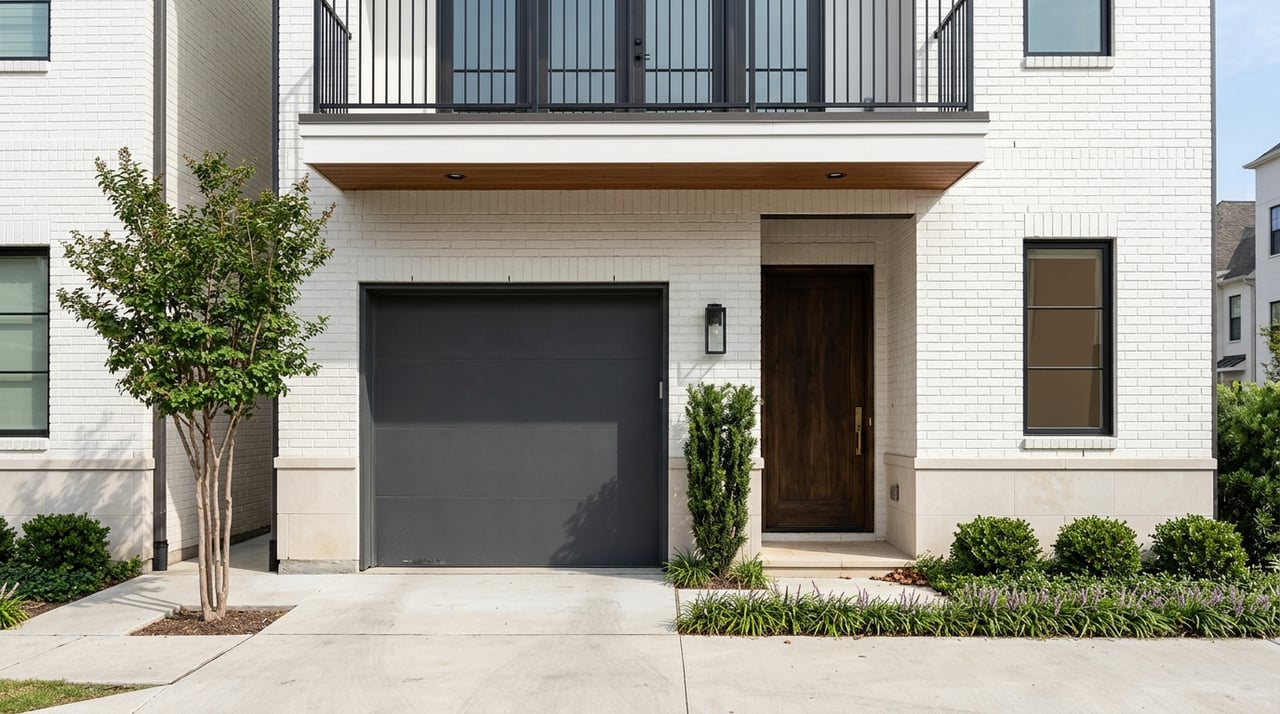
If your priority is convenience, a new build may feel like the easier answer. Recent Bellaire examples place new construction in the mid-$1 million to high-$1 million range, including a 2025 home on Beech Street that sold for $1.638 million to $1.888 million and a 2024 home on North 3rd Street that sold for $1.425 million to $1.638 million.
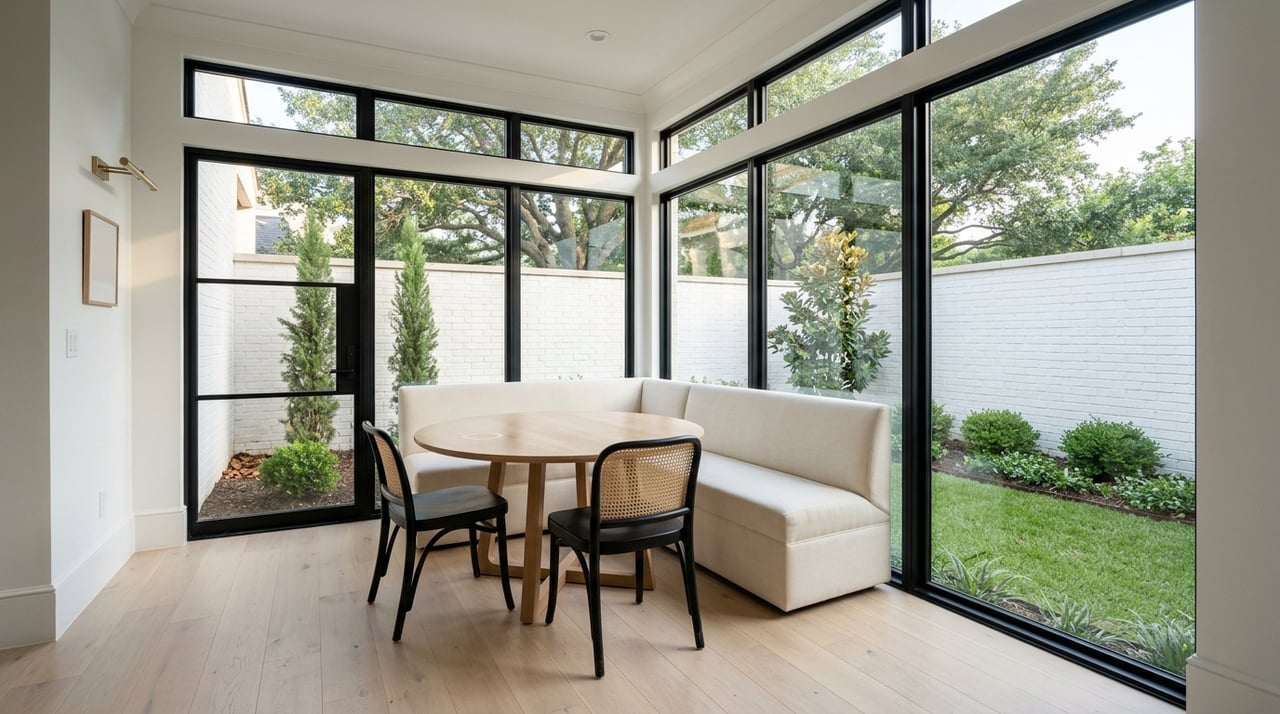
Those numbers reflect more than age alone. In many cases, you are paying for larger floor plans, newer finishes, and modern systems that can reduce immediate repair needs.
A new build can be especially attractive if you have a demanding schedule or want fewer projects after closing. For relocating professionals or busy households, moving into a home with updated infrastructure and a more current layout can remove a lot of early stress.
That convenience has value. Instead of budgeting for near-term repairs or a phased remodel, you are often paying upfront for a more finished product.
Bellaire’s zoning and neighborhood-character rules help explain why many new homes look the way they do. The city’s setback guidance shows minimum lot areas of 5,000 square feet in R-4 and R-5, 7,400 square feet in R-3, and 14,000 square feet in R-1, with front setbacks ranging from 25 to 50 feet and maximum lot coverage generally between 55% and 60%.
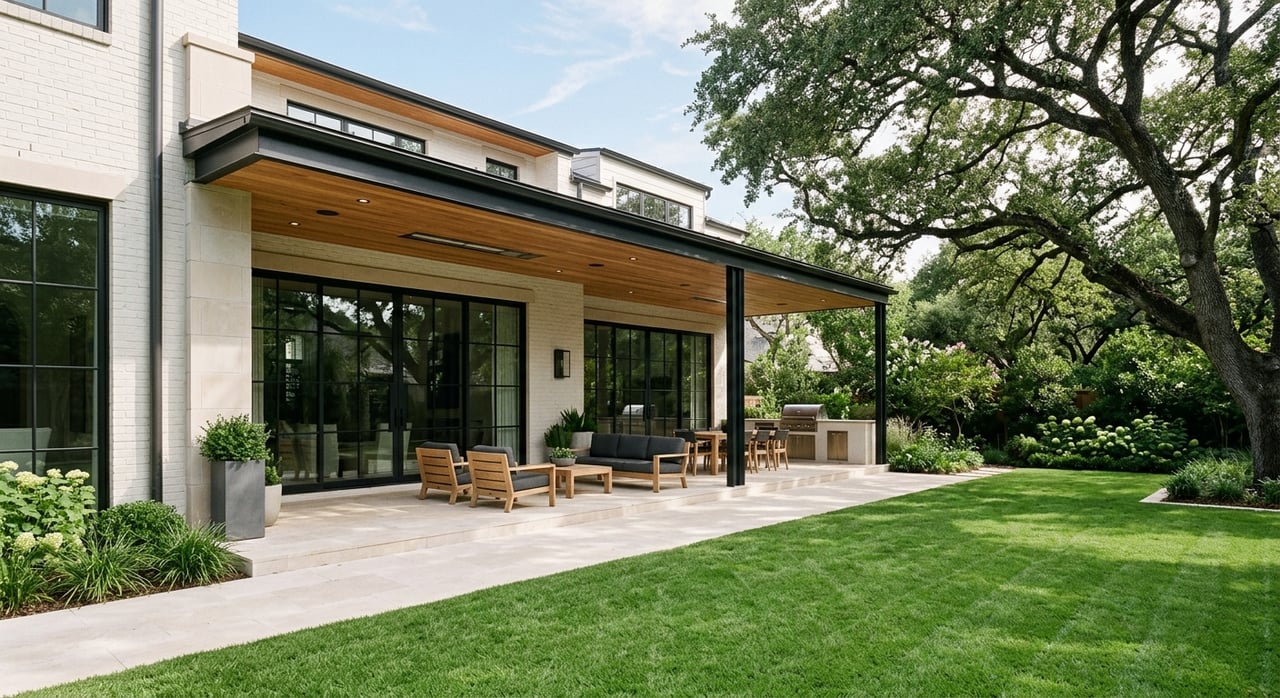
As the city notes, smaller lots can push garages into the main structure, create front-loading driveways, and reduce green space. So while a new build may give you more interior square footage, you may get less yard and less tree canopy than you would with some older homes.
No matter which direction you lean, flood and drainage awareness should be part of your decision. Bellaire states that flooding is a serious concern and that the entire community is susceptible to flooding.
The city is actively investing in improvements. It participates in FEMA’s Community Rating System, announced $54 million in state funding for the Cypress Ditch flood mitigation project in June 2025, and added a stormwater utility in its FY2025 budget to help fund drainage work.
For you, the takeaway is simple: do not assume a newer home removes all risk, and do not assume an older home is automatically the wrong choice. Instead, compare each property carefully and understand how lot, drainage, elevation, and improvement history fit into the bigger picture.
For most buyers, this decision comes down to lifestyle more than labels. An original cottage or ranch usually offers more character and renovation upside per dollar, while a new build usually offers more space and less immediate maintenance.
A few questions can help you sort out what fits best:
If your answer is, “I want convenience and predictability,” a new build may be the cleaner fit. If your answer is, “I want to create value over time and care more about lot potential,” an older home may offer more opportunity.
In Bellaire, the old-versus-new decision is rarely just about aesthetics. It is about price point, lot dimensions, city process, future plans, and how much work you want to take on after closing.
That is where neighborhood-specific guidance becomes valuable. A home that looks like a bargain may need more planning than expected, while a higher-priced new build may justify the premium if it saves you years of updates and uncertainty.
Whether you are comparing an original ranch, a teardown candidate, or a newer custom home, the goal is the same: find the option that fits your budget, timeline, and comfort level with confidence. If you want a personalized Bellaire strategy based on your goals, schedule a consultation with Tahira Syed.
Stay up to date on the latest real estate trends.
When it's time to move, you need someone who will advertise your home, show it to prospective buyers, negotiate the purchase contract, arrange to finance, oversee the inspections, handle all necessary paperwork and supervise the closing. Tahira can take care of everything you need, from start to close.