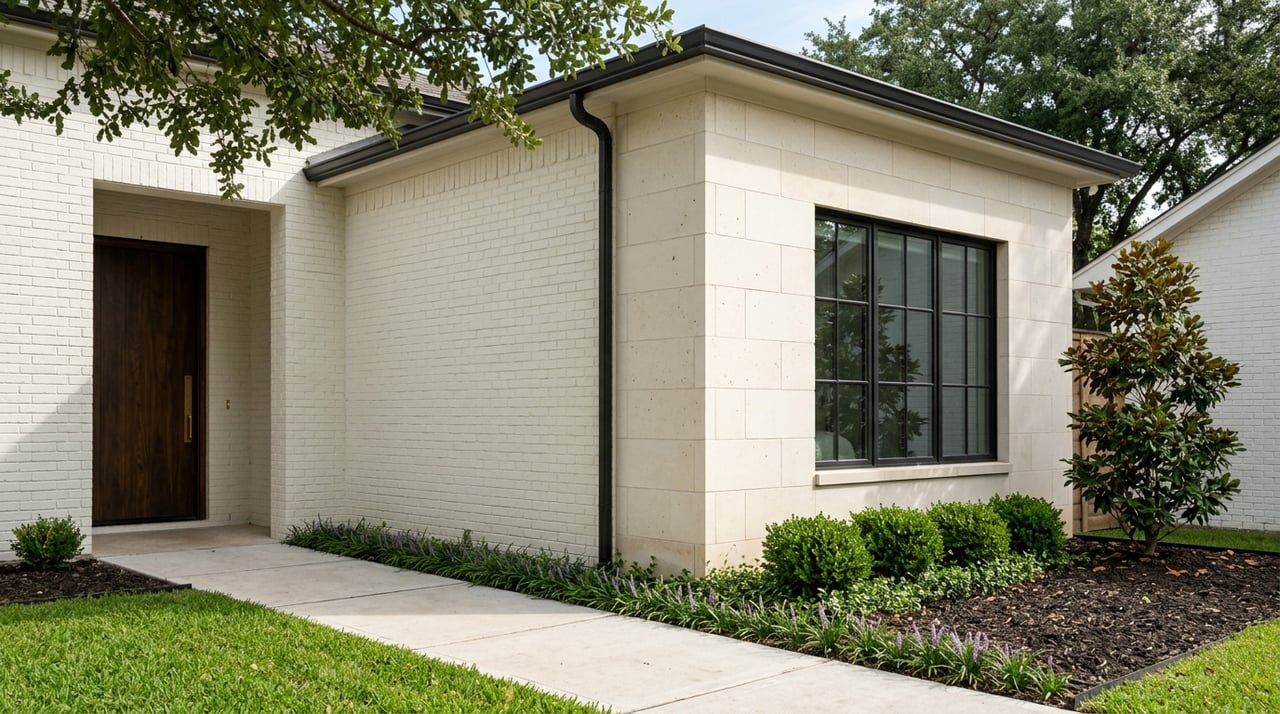
Braes Heights Renovated vs New Homes: How to Choose
June 18, 2026
June 18, 2026
If you are home shopping in Braes Heights, one question can shape your budget, timeline, and long-term comfort fast: should you buy a renovated home or a rebuilt one? In this neighborhood, the gap between those two paths can be significant, both in price and in what you get. This guide will help you compare the tradeoffs, understand the local rules that matter, and make a more confident decision in Braes Heights. Let’s dive in.
Braes Heights is a premium Inner Loop neighborhood with limited inventory. Realtor.com’s April 2026 market snapshot shows 17 homes for sale, a median listing price of $1.599 million, a median list price of $377 per square foot, and a median 39 days on market.
That headline number only tells part of the story. In practice, Braes Heights is not a single-price market. Current listings show a wide spread between updated older homes and homes that are effectively new builds or lot-and-rebuild opportunities.
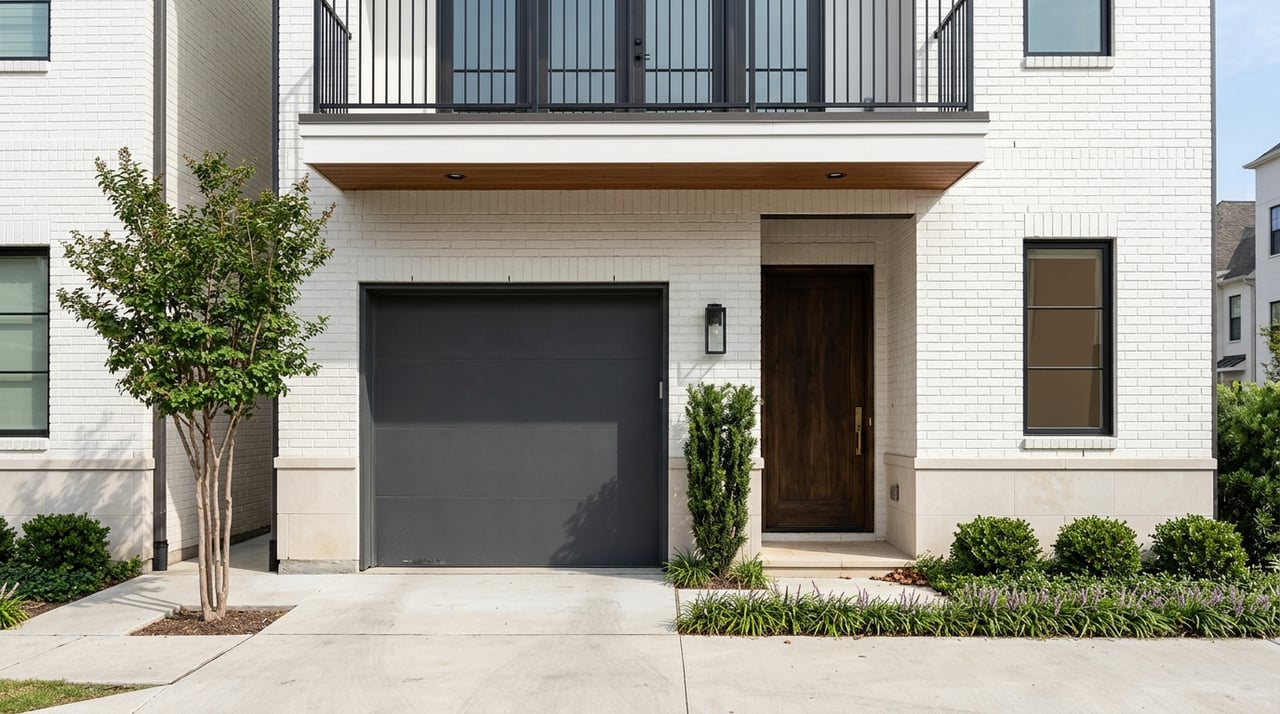
A renovated home usually gives you a lower entry point and the chance to keep the character of an existing property and lot. A rebuilt or newly constructed home usually gives you newer systems, a more modern layout, and, in some cases, elevation or flood-resilience features.
The tradeoff is cost and complexity. Rebuilt homes in Braes Heights often come at a much higher price and require closer review of permits, floodplain requirements, and deed restrictions.
The current listing mix gives you a useful reality check. At the lower end, 3714 N Braeswood Blvd is listed at $595,000 for 2,922 square feet on a 13,000-plus square foot lot, or about $204 per square foot. The listing also notes a pool and FEMA grant approval to elevate the home.
Another example, 3843 Grennoch Ln, is listed at $720,000 for 1,804 square feet, or about $399 per square foot. The listing says most of the home was remodeled in 2018 and suggests a buyer could live in it now and build later.
On the new-construction side, 3607 Dumbarton St is listed at $2.995 million for 5,076 square feet, or about $590 per square foot. Another large newer home, 3502 Grennoch Ln, is listed at $2.35 million for 5,332 square feet.
These examples show why your decision is not just about style. It is also about whether you want a lower acquisition cost now, or whether you are prepared to pay a premium for a newer product with a different feature set.
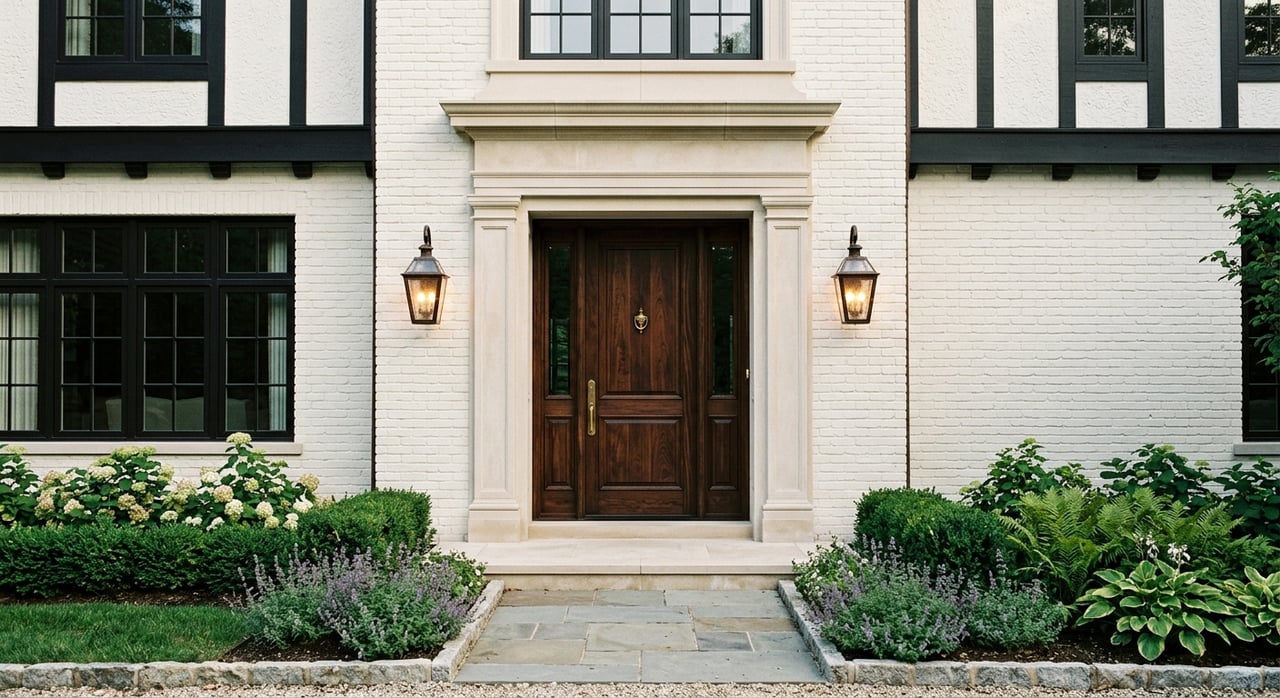
Renovated homes in Braes Heights often focus on the areas buyers notice and use every day. Listing descriptions commonly highlight refreshed kitchens and baths, stone or quartz counters, newer HVAC or plumbing, and improvements to yards or garages.
You may also keep features that are hard to recreate, such as mature trees and an established lot footprint. In a neighborhood where land value and location flexibility matter, that can be appealing if you want to move in sooner without taking on a full construction-level price tag.
A renovated home can make sense if you want:
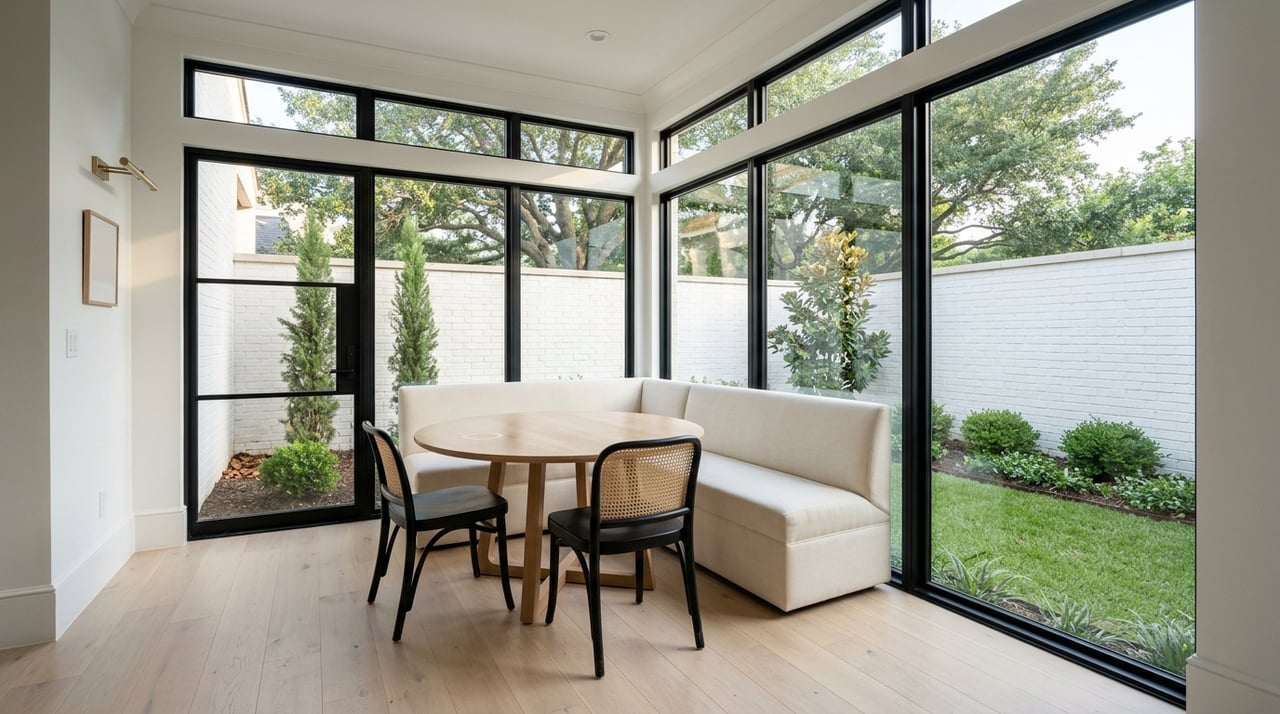
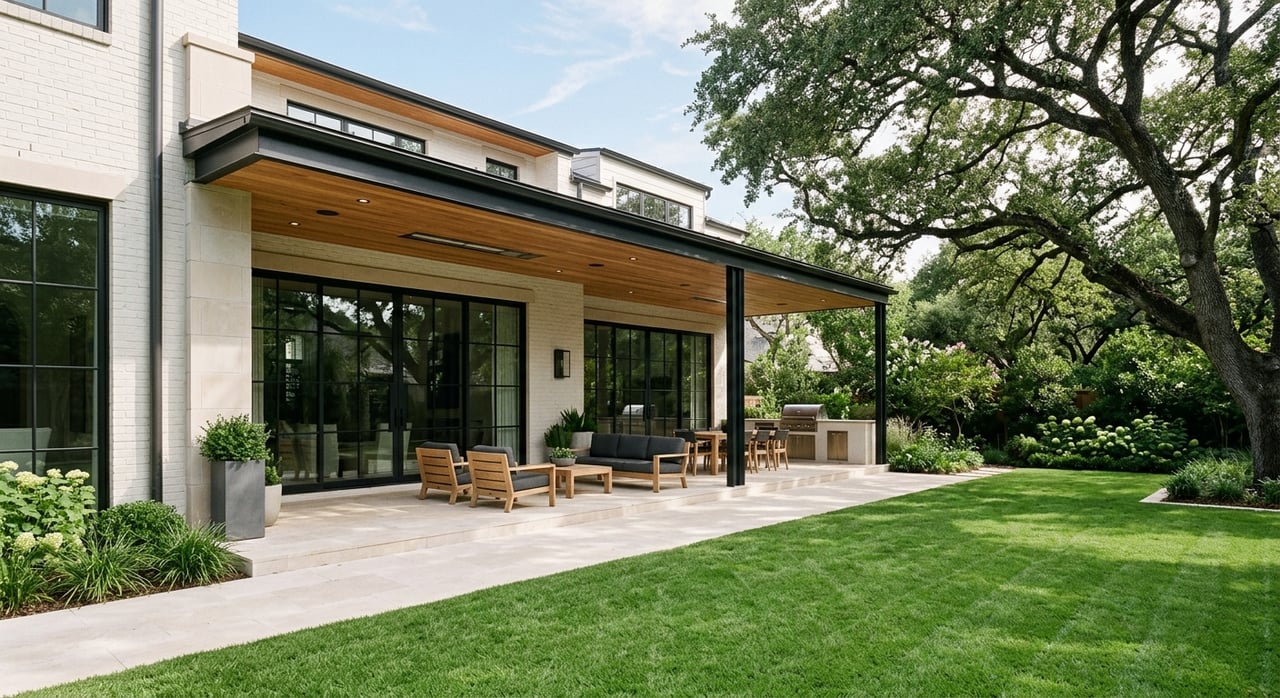
Rebuilt and newly constructed homes in Braes Heights tend to reflect what many current buyers are seeking. Listings emphasize open layouts, high ceilings, tall windows, chef’s kitchens, smart-home systems, wet bars, multiple en-suite bedrooms, and outdoor entertaining spaces.
You are also more likely to see newer materials and systems throughout the home. That can mean fewer near-term replacement concerns and a floor plan designed for how many buyers live today, especially if you want more flexible living spaces or a more turnkey experience.
A rebuilt home can make sense if you want:
Braes Heights sits within the Braeswood Place HOA area, and that matters if you are comparing a renovation to a rebuild. The HOA states that Braes Heights includes 13 sections and that many sections have deed restrictions limiting homes to 1.5, 2, or 2.5 stories.
The HOA also states that properties generally must be used only for single-family residences. Buyers are advised to verify the recorded restrictions and amendments with the Harris County Courthouse, title company, or an attorney.
For major additions and rebuilds, post-Harvey rules also come into play. According to the HOA, when work exceeds one-third of the existing square footage, the lowest occupied floor must sit above the 500-year flood plain, though a floodable ground level may be allowed for parking, storage, and access if specific visibility, material, and utility rules are met.
There are also plan review fees to consider. BPHA lists plan-review fees of $750 for new construction and $250 for qualifying renovation plans.
Houston does not have zoning, but development is still governed by ordinance codes. The Planning and Development Department states that site-plan review checks new structures, additions, and remodels for lot size, setbacks, parking, and landscaping.
That means a beautiful finished product is only part of the story. If you are buying a rebuilt home or a heavily renovated one, it is smart to confirm that the work moved through the proper city process.
Houston’s permit portal allows users to search permits, inspection history, and permits sold in the last three years. For buyers, that can be a practical way to verify whether major work appears to line up with the home’s story.
Braes Heights buyers should treat flood due diligence as a core part of the decision, especially when weighing older homes against rebuilt ones. Harris County Flood Control District notes that the Brays Bayou watershed includes parts of southwest Harris County and that severe flooding has occurred there at least once every decade.
That does not mean every property carries the same risk. It does mean parcel-level flood-map review is especially important in this area.
For rebuilds and new construction, ask for:
City guidelines say construction in the 100-year or 500-year floodplain requires floodplain permitting and elevation standards. If flood insurance is part of your planning, property-specific review is essential.
With an older renovated home, the key question is simple: what was improved, and what still needs attention? Cosmetic updates can add appeal, but your focus should stay on the parts of the home that are expensive to repair and hard to see during a quick showing.
Texas licensed home inspectors must follow TREC Standards of Practice. Those standards require reporting on foundation performance, grading and drainage around the foundation, and roof covering materials, but they do not require inspectors to evaluate buried or underground drainage systems.
That is why your follow-up questions matter. For renovated homes in Braes Heights, ask about:
If wood-destroying insects are a concern, Texas requires a separately licensed WDI inspector for a formal report. That is especially relevant for older homes where hidden damage may not be obvious.
A rebuilt home may feel simpler because everything is newer, but your due diligence still matters. In many cases, your review shifts from wear and tear to documentation, code compliance, and construction quality.
Ask the seller or builder for the paper trail behind the home. You want a clear record that supports the quality and legality of the work, especially in an area where floodplain rules and HOA review can affect how a home was designed.
Your checklist should include:
If you want to enter Braes Heights at a lower price, preserve lot character, and possibly improve the property over time, a renovated home may be the better fit. This path can also work well if you are comfortable doing deeper due diligence on condition and prior repairs.
If you want newer systems, a more current floor plan, and features that match many of today’s luxury preferences, a rebuilt home may justify the higher price. This path often works well for buyers who value turnkey living and want fewer immediate update projects.
In Braes Heights, the right answer is rarely one-size-fits-all. It depends on your budget, your tolerance for future projects, your timeline, and how much value you place on lot, layout, and risk reduction.
A thoughtful side-by-side review can make the choice much clearer. If you want help comparing specific Braes Heights listings, weighing renovation quality against rebuild value, or reviewing the due diligence that matters most, Tahira Syed can help you move forward with clarity and confidence.
Stay up to date on the latest real estate trends.
When it's time to move, you need someone who will advertise your home, show it to prospective buyers, negotiate the purchase contract, arrange to finance, oversee the inspections, handle all necessary paperwork and supervise the closing. Tahira can take care of everything you need, from start to close.