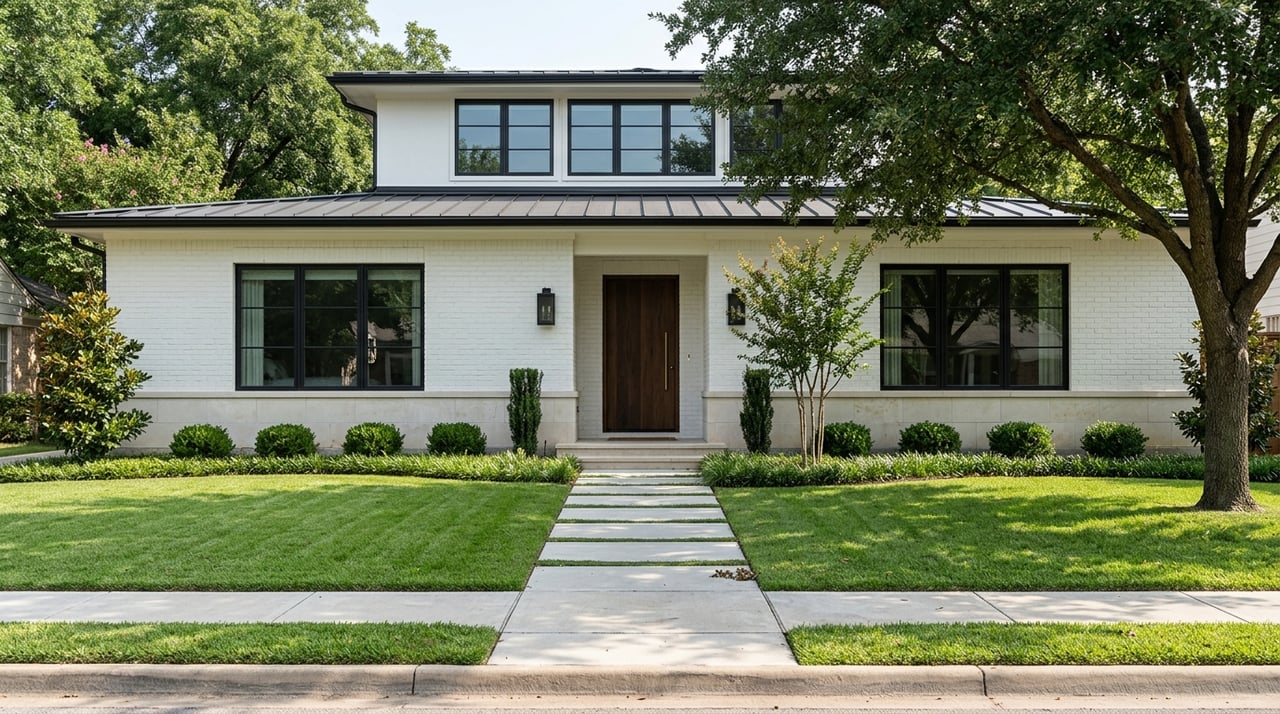
Everyday Living In River Oaks Near Fort Worth
July 9, 2026
July 9, 2026
Looking for a place that feels established, connected, and easy to navigate day to day? River Oaks near Fort Worth offers a compact residential setting with nearby parks, practical retail corridors, and quick ties into the west Fort Worth road network. If you want a clear picture of what everyday life looks like here, this guide will walk you through the pace, convenience, recreation, and housing character that shape the community. Let’s dive in.
River Oaks is a small city on the west side of the Dallas-Fort Worth Metroplex. The city covers about 1.9 square miles and sits inside Loop 820, surrounded by long-developed parts of Fort Worth and Sansom Park. That smaller footprint gives the community a contained, neighborhood-scale feel.
The 2024 North Central Texas Council of Governments estimate puts the population at 7,654. Local planning materials describe River Oaks as about 99% built-out and mostly single-family in character. In practical terms, that means you are looking at an established residential area rather than a fast-expanding new suburb.
Everyday living in River Oaks tends to feel steady and straightforward. Much of the housing dates back to the late 1940s, which adds to the city’s older, settled identity. If you prefer places with a long-standing residential pattern, River Oaks may feel familiar and approachable.
Because the city is compact, many errands and daily routes stay fairly predictable. You are not covering huge distances within town, and the layout reflects a small community shaped by surrounding Fort Worth development. That can make day-to-day routines feel simpler, especially if you value a practical setup over a sprawling footprint.
River Oaks has limited parkland, but it does have a defined local park system. The city identifies McGee Park, Wooldridge Park, Masonic Park, Community Park, Lone Star JR Park, Lions Triangle, and Heritage Park as part of its parks network. For a smaller city, that gives residents several nearby options for getting outside.
McGee Park stands out as one of the city’s best-equipped recreation spots. It includes two lit ballfields, a concession stand, restrooms, picnic tables and a shelter, a basketball court, and parking. The city also has ongoing improvement efforts there, which points to continued investment in one of its key gathering spaces.
If you want more than neighborhood park space, River Oaks benefits from nearby regional outdoor options. The Trinity River Trails system offers more than 100 miles of paved trail through Fort Worth, giving you access to longer rides, walks, and runs beyond city limits. That broader trail network adds meaningful recreational value to everyday life in the area.
Marion Sansom Park on Roberts Cut Off is another nearby outdoor asset. It offers trails and access to the Trinity River Paddling Trail, which expands the menu for people who like more active outdoor time. Planning documents also point to Lake Worth and the West Fork of the Trinity River as nearby open-space resources, including boating, fishing, and swimming opportunities at Lake Worth.
River Oaks keeps everyday convenience focused along a few main corridors rather than within a large in-town retail district. The city’s comprehensive plan identifies River Oaks Boulevard Commercial Corridor as the main business and retail area. Jacksboro Highway and Roberts Cutoff are also noted as commercial areas.
That setup means most routine stops are concentrated along arterial roads. For many residents, that can make errands feel efficient because shopping and services are not scattered across a wide area. You are likely to build your routine around a few familiar routes.
For larger retail trips, nearby west Fort Worth expands your options. Ridgmar Mall is one regional shopping destination in the area, and surrounding Fort Worth corridors add more choices beyond what River Oaks itself contains. In day-to-day terms, River Oaks works well for basic convenience while leaning on neighboring parts of Fort Worth for broader retail variety.
River Oaks is best understood as a car-oriented community. According to the city plan, the automobile is the primary form of transportation, and many daily trips through the area are pass-through trips. If you are considering a move here, it helps to expect driving to be central to your routine.
Major roadways include SH 183 and SH 199. Those connections help tie River Oaks into the west Fort Worth transportation network and keep it from feeling isolated. For buyers who care about access more than walkable urban form, that road connectivity can be a practical advantage.
The city also has a historical connection to Carswell Air Force Base. Today, the nearby Naval Air Station Joint Reserve Base Fort Worth remains a significant employment anchor, with about 10,000 military, Guard, Reserve, and civilian personnel according to the Department of Defense installation information cited in the research. That nearby presence helps explain some of River Oaks’ long-standing role as a residential community connected to larger employment centers nearby.
River Oaks is overwhelmingly residential, with planning documents describing little significant industrial or manufacturing land use. Future job growth in the city is expected mainly from commercial retail and office uses. That reinforces the idea of River Oaks as a place centered more on homes and daily convenience than on major internal employment hubs.
Because the city is about 99% built-out, its housing story is mostly about established streets and existing homes rather than large-scale new development. For buyers, that often means evaluating location, lot, condition, and access rather than choosing among many brand-new subdivisions. For homeowners, it also supports a more consistent sense of place over time.
Most housing was built in the late 1940s, so the local housing stock reflects an older suburban pattern. If you are drawn to communities with history and a clearly defined footprint, that may be part of the appeal. River Oaks is not trying to be everything at once. It functions as a settled residential city with close ties to the larger Fort Worth area.
Castleberry ISD says it includes the City of River Oaks and operates as an open-enrollment district. The district also notes that it is about five miles west of downtown Fort Worth. For households comparing locations, that provides useful geographic context without changing the overall picture of River Oaks as a smaller residential community near larger city resources.
Beyond schools, many daily patterns are shaped by nearby west Fort Worth rather than by large institutions inside River Oaks itself. That includes work, recreation, and larger retail trips. In simple terms, River Oaks offers a small-city home base with broader amenities close by.
River Oaks may be a good fit if you want an established setting with practical access to Fort Worth. Its compact size, mature residential layout, and car-friendly road connections make it easier to understand how life might flow from day to day. You are not buying into a master-planned environment. You are stepping into a small, long-developed community with clear patterns and nearby support from surrounding areas.
It may also appeal to buyers who like having both neighborhood-scale parks and access to larger outdoor destinations nearby. Between local parks, the Trinity River Trails, Marion Sansom Park, and Lake Worth, there is a solid mix of casual and more active recreation within reach. That balance can matter if you want everyday convenience without giving up outdoor options.
For sellers, the River Oaks story is often about clarity and context. Buyers may respond well to a home that is presented within the right framework: established housing, connected road access, and close proximity to west Fort Worth amenities. A well-prepared, well-positioned listing helps translate those local strengths into a sharper market impression.
If you are considering a move and want a more tailored read on how a specific home fits your goals, a neighborhood-focused strategy makes a difference. Whether you are buying or preparing to sell, working with an agent who values preparation, local context, and clear communication can help you make confident decisions. To start the conversation, connect with Tahira Syed.
Stay up to date on the latest real estate trends.
When it's time to move, you need someone who will advertise your home, show it to prospective buyers, negotiate the purchase contract, arrange to finance, oversee the inspections, handle all necessary paperwork and supervise the closing. Tahira can take care of everything you need, from start to close.