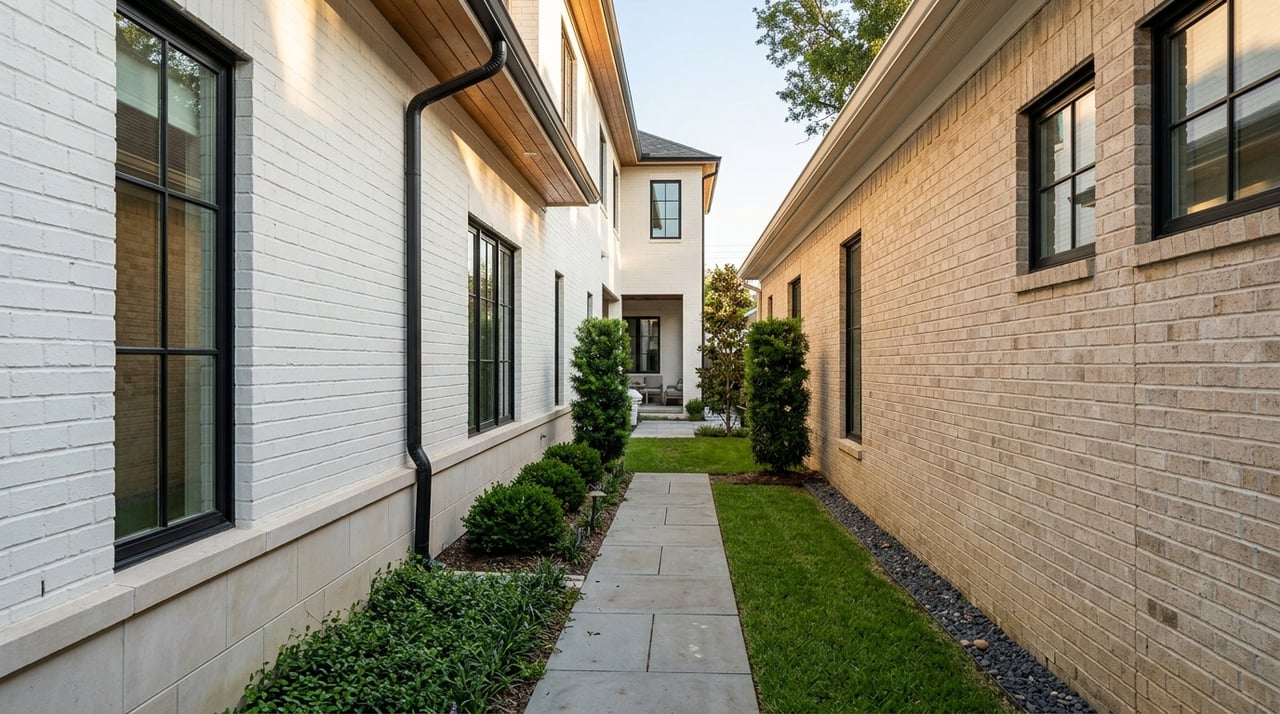
Decoding Lot Sizes And Floorplans In West University Place
May 28, 2026
May 28, 2026
Trying to compare homes in West University Place by square footage alone can send you in the wrong direction fast. In a city that is almost fully built out, the shape of the lot, the depth of the yard, and even where the garage sits can change how a home lives day to day. If you are buying or selling in West U, understanding lot size and floorplan patterns can help you read listings more clearly and make better decisions. Let’s dive in.
West University Place is a market where the site often matters just as much as the house itself. The city’s comprehensive plan notes that most land is devoted to single-family residential use, and many original cottages and bungalows have been replaced by larger two-story custom homes.
Because there is very little new land supply, future change is more likely to come from lot consolidation than from brand-new development areas. That makes lot dimensions, setbacks, open space, and garage placement especially important when you compare one listing to another.
In practical terms, two homes with similar interior square footage can offer very different outdoor space and layout flexibility. A listing on paper may sound generous, but the real experience depends on how the house fits within the lot’s rules.
The city’s planning materials make an important point: you need to think in terms of the site plan, not just the interior. Setbacks, driveway placement, and open-area requirements all affect how much usable house and yard a property can realistically support.
For new single-family building sites, the general baseline is at least 75 feet wide, 110 feet deep, and 8,250 square feet in area. Older legacy building sites can be smaller, often around 50 by 100 feet and 5,000 square feet, with some limited grandfathered exceptions.
That difference helps explain why so many West U listings feel distinct even when they are close together. A legacy lot may support a very appealing home, but it often leaves less flexibility for backyard depth, wider garage placement, or extra outdoor features.
In West U, front yards are generally 20 feet on shallower lots and can increase to 25 or 30 feet as lot depth grows. Rear yards are generally 20 feet, while interior side yards are usually the greater of 10 percent of lot width or 5 feet.
Those rules reduce the part of the lot where the house can actually sit. On a 50 by 100 lot, a rough rule of thumb is a buildable rectangle of about 40 by 60 feet, or roughly 2,400 square feet, before driveway, porch, and pervious-area rules come into play.
On a 75 by 110 lot, that rough rectangle grows to about 60 by 70 feet, or around 4,200 square feet. It is not a guaranteed footprint, but it shows why larger lots often create much more design freedom.
West U also requires 45 percent open area and 35 percent pervious area across the building site. In plain terms, a lot can look large by square-foot count yet still deliver a more modest usable backyard once the house, paving, and landscaping requirements are factored in.
That matters if you care about patio space, lawn area, or future outdoor improvements. It also helps explain why some homes feel more balanced outside, while others place most of their value indoors.
The code requires two garage parking spaces per single-family dwelling unit, with a maximum of four spaces. Each required space must be enclosed or semi-enclosed and attached to a driveway.
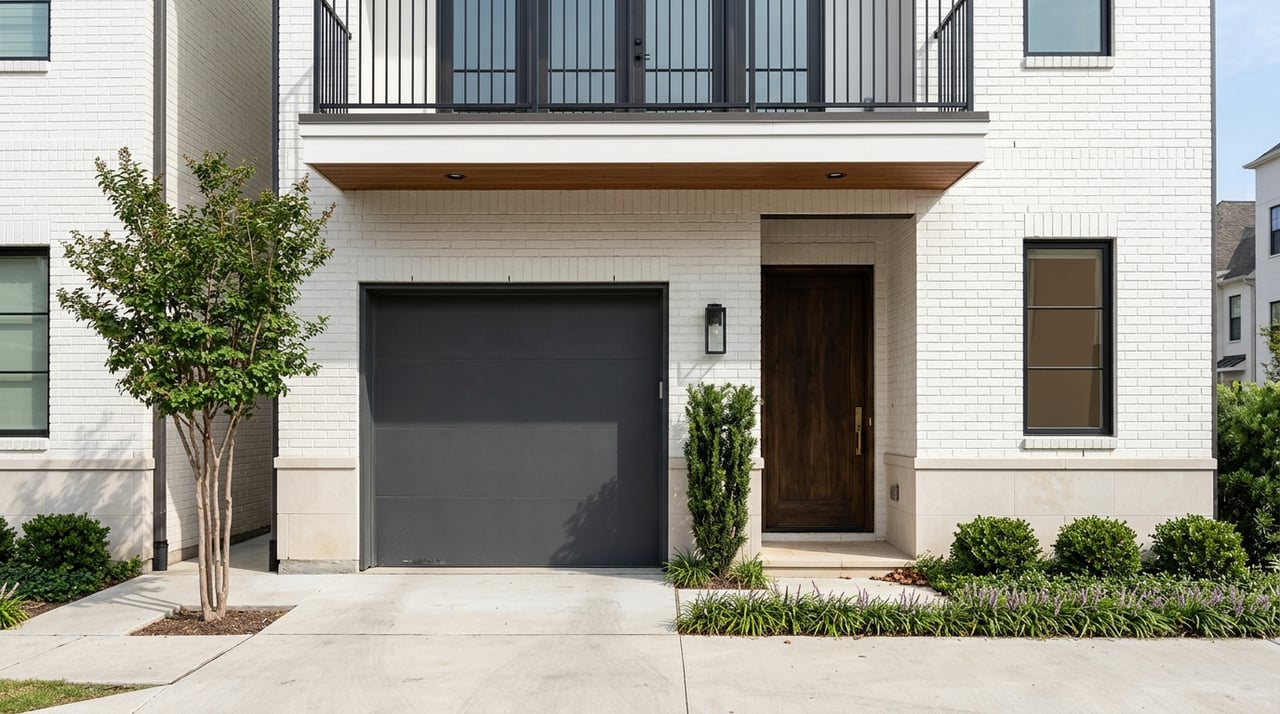
The city also limits front-facing garage doors unless they are set back deeply enough. That is one reason many West U homes present a porch-forward look rather than a garage-dominant front elevation.
Driveway rules can affect daily convenience as much as curb appeal. Lots with at least 60 feet of frontage may qualify for more flexible driveway and curb-cut arrangements, which can improve the way a house sits on the site.
A 5,001-square-foot lot is one of the most common figures you will see in West U listings. In many cases, that points to a legacy lot rather than an unusually spacious homesite.
That does not mean the property is not desirable. It simply means the better question is how efficiently the home uses the lot and whether the yard, garage, and outdoor living areas still feel functional.
As lot size moves into the 6,000- to 7,500-square-foot range and beyond, you often gain more freedom in the floorplan. Wider or deeper lots can make room for better separation between living areas, a more comfortable backyard, or features like a pool-friendly rear yard and covered outdoor space.
West U’s housing stock reflects both its older roots and its newer rebuild cycle. The city’s comprehensive plan describes an original mix of small cottages, bungalows, and some two-story homes, while current listings show a wide range of expanded and newly built properties.
These homes often range from about 1,100 to 1,800 square feet on lots near 5,000 square feet. Some remain close to their original footprint, while others have been expanded over time.
If you are drawn to charm and established scale, these homes can be appealing. But from a floorplan perspective, you may find smaller bedrooms, fewer bathrooms, and less open gathering space than in newer construction.
On standard West U lots, many updated family homes fall in the 3,000- to 4,400-square-foot range. Current listing patterns commonly show 4 to 5 bedrooms, about 3.5 to 4.5 baths, a study or flex room, and a layout centered on the family room.
This is often the sweet spot for buyers who want meaningful interior space without moving to the highest end of the market. On the right lot, these homes can also deliver enough rear-yard depth for a patio, play area, or modest outdoor entertaining space.
Larger lots often support homes of roughly 4,800 to 5,500 or more square feet. In this category, you are more likely to see added separation between public and private spaces, plus features such as a scullery, upstairs game room, covered outdoor living, or improved garage placement.
These homes often feel more intentional in their planning. The lot gives the design room to breathe, which usually improves circulation, natural light, and the relationship between the indoor and outdoor spaces.
West University Place had a median listing price of $2.099 million in March 2026, with 52 active listings and a median of 34 days on market. Within that market, price often reflects not only size and finish level, but also how well the lot supports the floorplan.
Current examples in or near this band include smaller homes on 5,001-square-foot lots, older homes needing updates, and a few larger homes on modest sites. These listings can be attractive if you want location first and are comfortable trading some layout efficiency or finish level.
Listings in this range often include expanded traditional homes or heavily updated family homes around 3,200 square feet on lots near 6,000 to 7,300 square feet. You may start to see more efficient room placement and somewhat better yard depth.
This range is where more deliberate floorplans show up more often. Current examples suggest better odds of larger kitchens, stronger family-room flow, and a rear yard that can better support a patio or pool concept.
At the top end, listings often highlight game rooms, studies, sculleries, summer kitchens, elevator capability, and detached or oversized garages. Those features usually signal that the lot is doing more work behind the scenes, giving the house enough room to include premium spaces without squeezing the site too tightly.
If you want to compare homes intelligently, focus on more than the bedroom count and total square footage. In West U, small details in the listing can tell you a lot.
A 5,001-square-foot lot does not automatically mean you will have a generous yard. It may simply reflect a standard older West U homesite.
Instead, ask whether the house already fills most of the buildable envelope. A large home on a modest lot may live beautifully indoors while offering limited backyard flexibility.
If a listing shows 60 feet of frontage or more, pay attention. Wider frontage can create more flexible driveway options and sometimes a better garage relationship to the house.
If the marketing mentions a detached garage, circular drive, or especially clean curb appeal, the lot may offer site advantages that are not obvious from square footage alone.
When a listing mentions an old building site, OBSOD, or a replat, it may involve legacy rights or special site conditions. Those details can affect what can be built, where parking can go, and how much yard remains.
That is one area where experienced local guidance matters. The city’s planning division recommends speaking with staff before subdivision, platting, replatting, variances, or special exceptions.
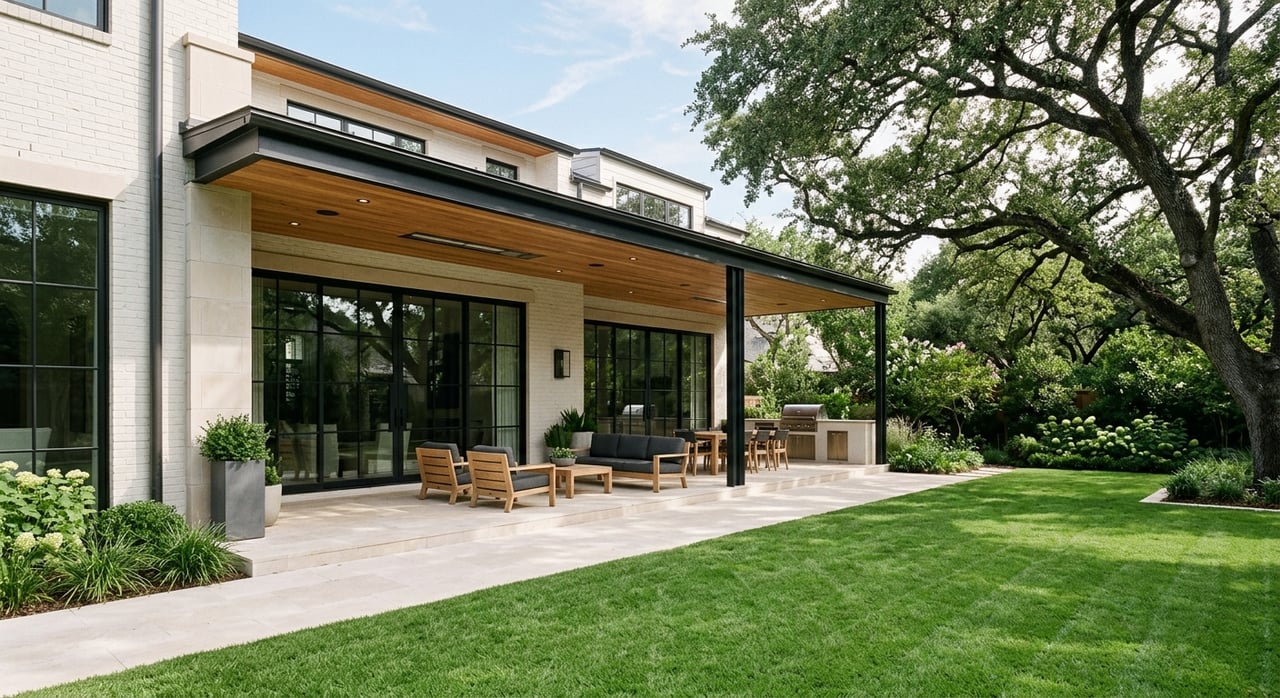
If the listing copy highlights a pool, summer kitchen, game room, or detached garage, it may be signaling that the lot is wide or deep enough to handle those features while still preserving outdoor usability. In West U, that is often a meaningful value point.
If you are buying, the goal is to match the lot to the way you actually live. You may care less about headline square footage and more about backyard depth, garage placement, or whether the floorplan creates enough separation between bedrooms and gathering space.
If you are selling, understanding how your lot supports the home can sharpen pricing and marketing. A well-positioned house on a site with better frontage, outdoor flow, or garage placement may deserve stronger attention than a simple square-foot comparison would suggest.
In a market as nuanced as West University Place, details drive value. That is why a calm, highly local reading of the lot and floorplan can make such a difference.
If you want help interpreting a specific West U listing or positioning your home for today’s market, schedule a personalized market consultation with Tahira Syed.
Stay up to date on the latest real estate trends.
When it's time to move, you need someone who will advertise your home, show it to prospective buyers, negotiate the purchase contract, arrange to finance, oversee the inspections, handle all necessary paperwork and supervise the closing. Tahira can take care of everything you need, from start to close.