Thinking about selling your West University Place home and wondering when to list? In a close‑in, high‑demand neighborhood like West U, timing can influence how quickly you attract the right buyer and how strong your offers are. You want minimal days on market and premium results without unnecessary stress. In this guide, you’ll learn the best listing windows for West U, how to plan backward from your move date, what to do before photos, and when a Concierge approach can help you go live faster and stronger. Let’s dive in.
Why timing matters in West U
West University Place draws steady year‑round interest thanks to its location near downtown, the Texas Medical Center, Rice University, and major employment corridors. Most homes are single‑family properties with a range of lot sizes and many recent renovations, which means buyers compare presentation and move‑in readiness closely. Small neighborhood inventory also concentrates demand, so your direct competition matters as much as the calendar.
Academic and corporate calendars influence buyer timing. Professionals, academics, and households moving for work often target spring and early summer. Macro factors like interest rates and local employment can amplify or soften urgency. When rates ease or local hiring improves, days on market can compress across the area.
Seasonal patterns to watch
Most Houston‑area neighborhoods, including West U, tend to follow these patterns:
- Spring, late February through May: the highest buyer traffic. Multiple offers are most common and median prices often peak in spring or early summer.
- Early summer, June: activity remains solid, though travel and family schedules begin to split attention.
- Fall, September to October: a smaller second peak as spring buyers who did not land a home return, and some relocations finalize around the school year.
- Winter, November to January: the slowest period. Inventory and showings thin out, and marketing times often run longer. Well‑priced, well‑staged homes can still close strong, but the buyer pool is smaller.
To gauge how the current year compares, focus on month‑by‑month metrics over a 24‑month window:
- Median sale price and list‑to‑sale price ratio by month.
- Median and average days on market by month.
- Months of inventory and absorption rate. Industry benchmarks often read MOI under 4 months as a seller’s market and above 6 months as a buyer’s market.
- Monthly new listings and closed sales to see if supply is outpacing demand.
If indicators conflict, compare the month to the same month last year and to the prior month for clarity. When possible, break data into price bands. Higher‑price segments can have longer marketing windows and slightly different seasonality than the broader market.
Best months to list in West U
- Prime window: late February through May. This is the best period to maximize exposure and leverage buyer competition. Curb appeal is stronger, and relocation timelines align.
- Secondary window: September through October. If you miss spring or want to avoid heavy competing inventory, early fall can be effective. Buyers are focused and decisions can be decisive.
- Caution window: late November through January. If top‑dollar with minimal days on market is the goal, consider waiting. If you must list, invest in staging, strategic pricing, and standout photography to capture motivated buyers who are still looking.
For showings, many Houston‑area brokers favor going live on Thursday to align with weekend traffic. A short coming‑soon period can also help build early momentum.
Situational timing tips
- If you need a quick closing, list in spring and price competitively to drive early offers. Aggressive, well‑supported pricing can shorten time on market in any season.
- If you are tied to a work or academic move date, plan backward from your target closing. Listing 30 to 45 days before the peak month you want to catch can position you at the front of the surge.
- If you are selling a higher‑price home, expect a longer match period. Spring is still ideal, but combine it with targeted outreach to relocation and corporate buyer pools.
- West U’s limited inventory means a curated, move‑in‑ready listing can perform well year‑round. Your direct competition and presentation quality can outweigh the calendar.
Plan backward from your move date
A clear backward plan keeps the process calm and predictable. Use this simple sequence:
- Choose your target closing date.
- Subtract your expected contract‑to‑close period. Many financed deals take about 30 to 45 days.
- Subtract your expected days on market based on your price band and presentation plan.
- Subtract your preparation time, which can range from 2 to 8 weeks for most homes.
Example: You want to close by August 1.
- Assume 35 days for contract to close. You need to be under contract by late June.
- If you target 10 to 14 days on market, aim to go live by mid‑June.
- If you need 6 to 8 weeks for repairs, paint, and staging, begin prep by mid‑April.
Adjust the example to your home’s price tier and the current West U metrics. The earlier you line up vendors, the more choices and leverage you have.
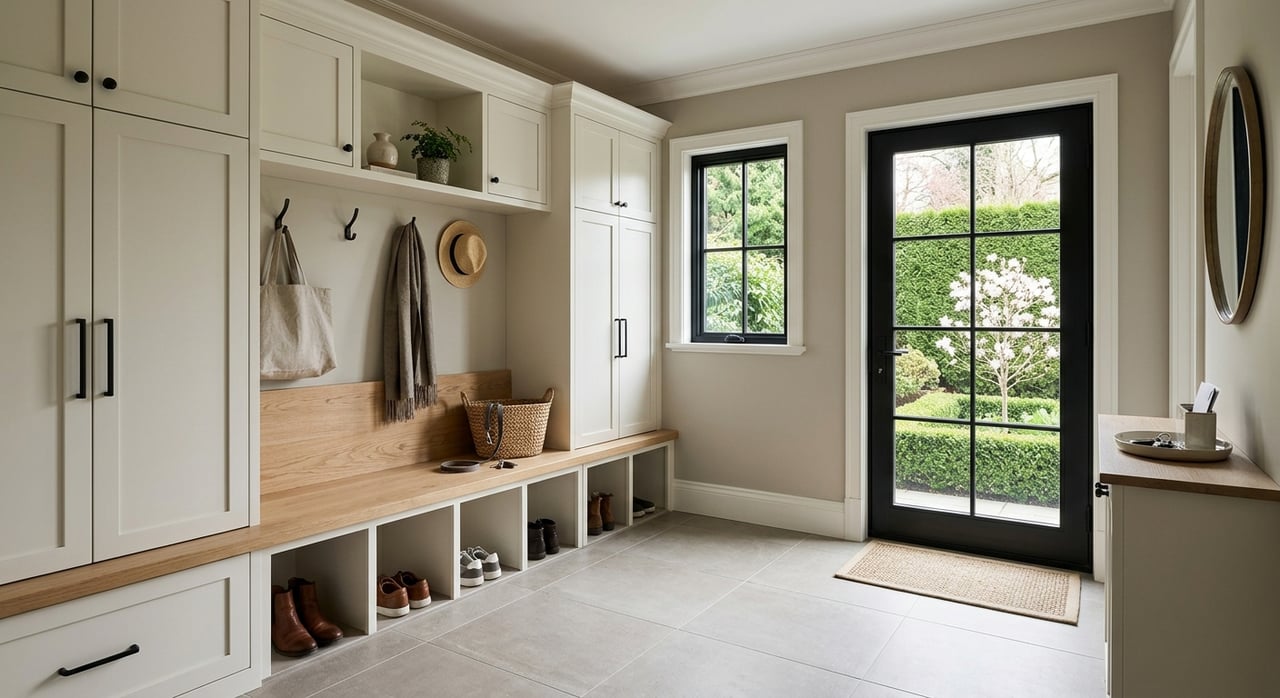
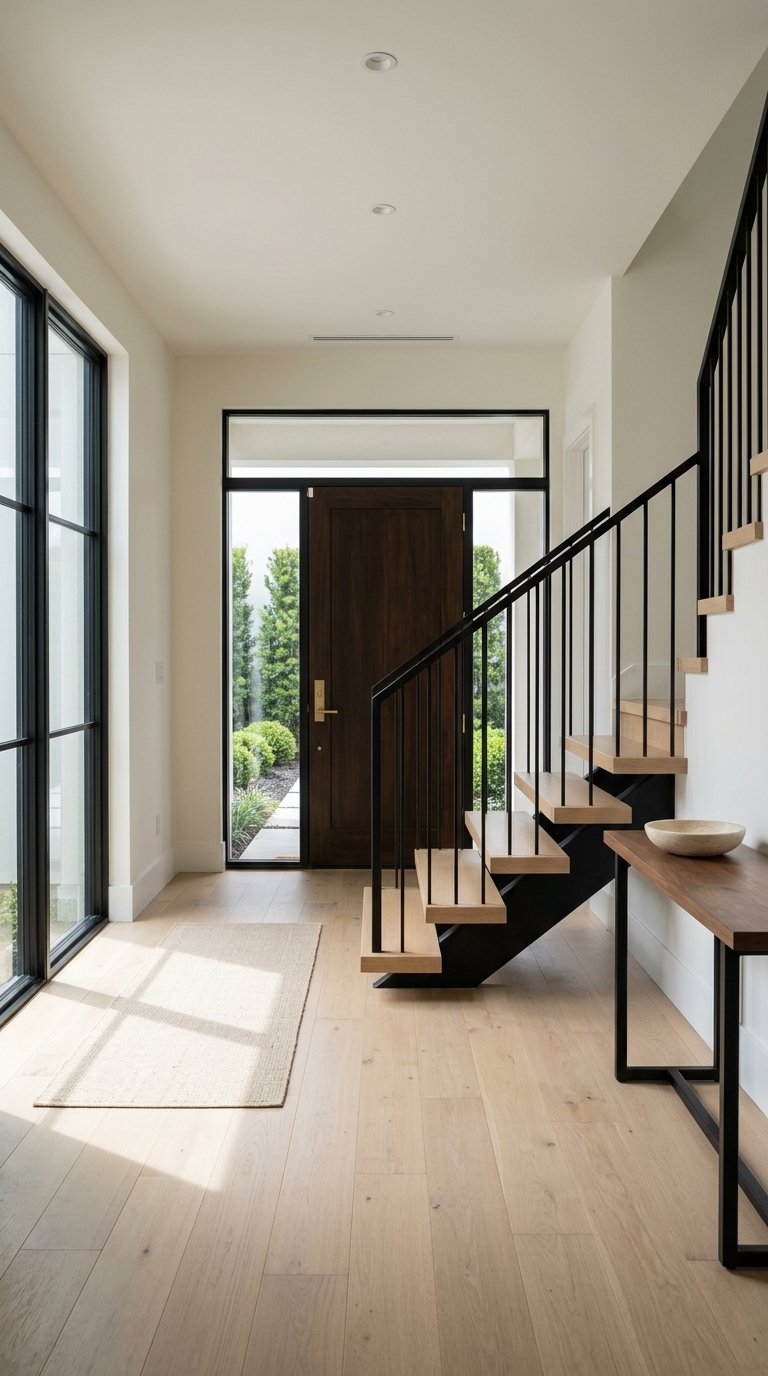
Pre‑list preparation checklist
Strong presentation reduces days on market and can support premium pricing. Start with must‑dos, then add high‑ROI updates.
Must‑dos
- Declutter and deep clean every space, including garage and closets.
- Address safety and major systems first. Make sure HVAC, electrical, and plumbing function as expected.
- Fix obvious deferred maintenance and any signs of water intrusion or pest issues.
- Confirm all utilities are on for inspections and showings.
High‑ROI updates in West U
- Fresh interior paint in neutral tones to unify spaces.
- Kitchen and bath refreshes such as updated hardware, lighting, and counters where budget allows.
- Flooring repair or refinishing, and deep cleaning for carpets or rugs.
- Updated light fixtures that brighten photos and highlight ceiling height.
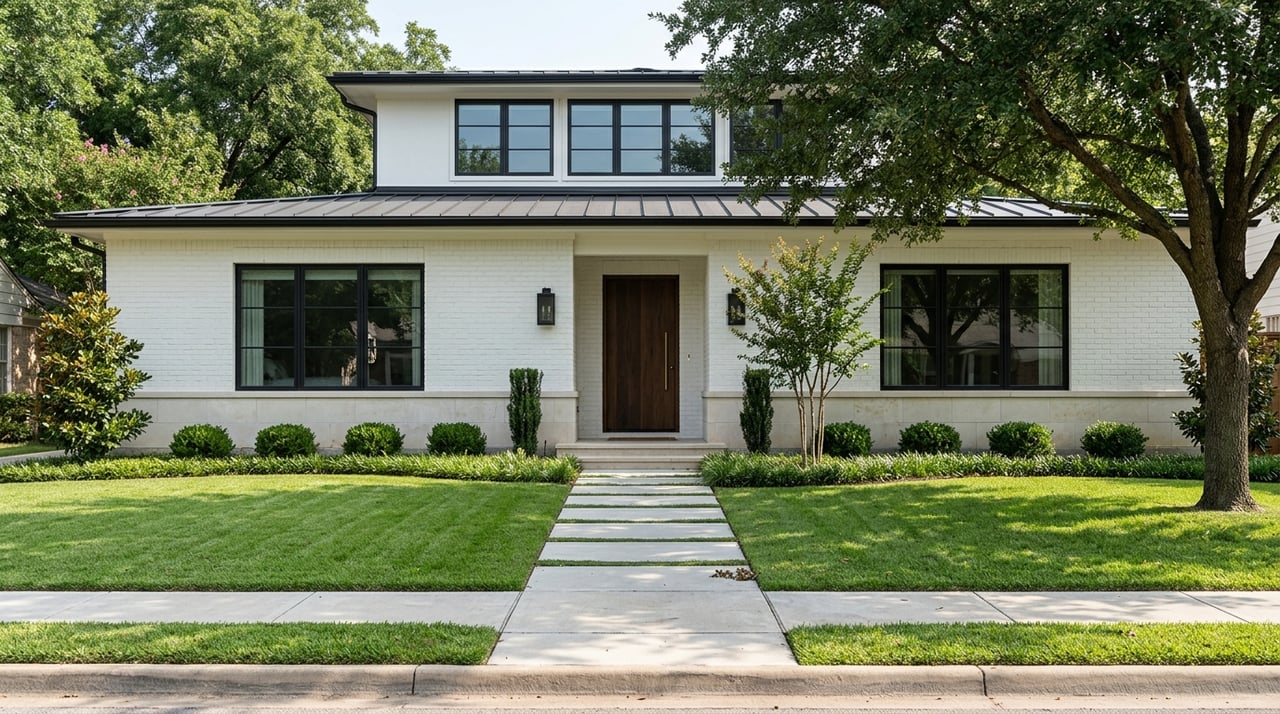
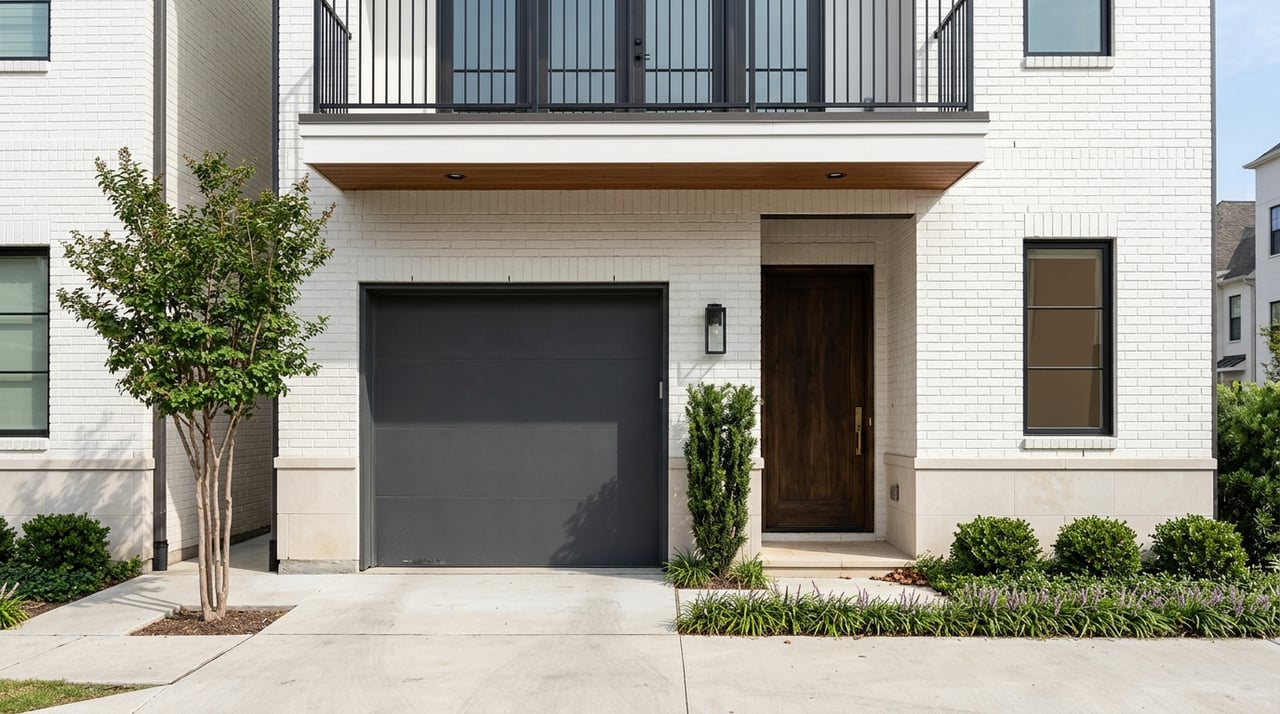
Curb appeal
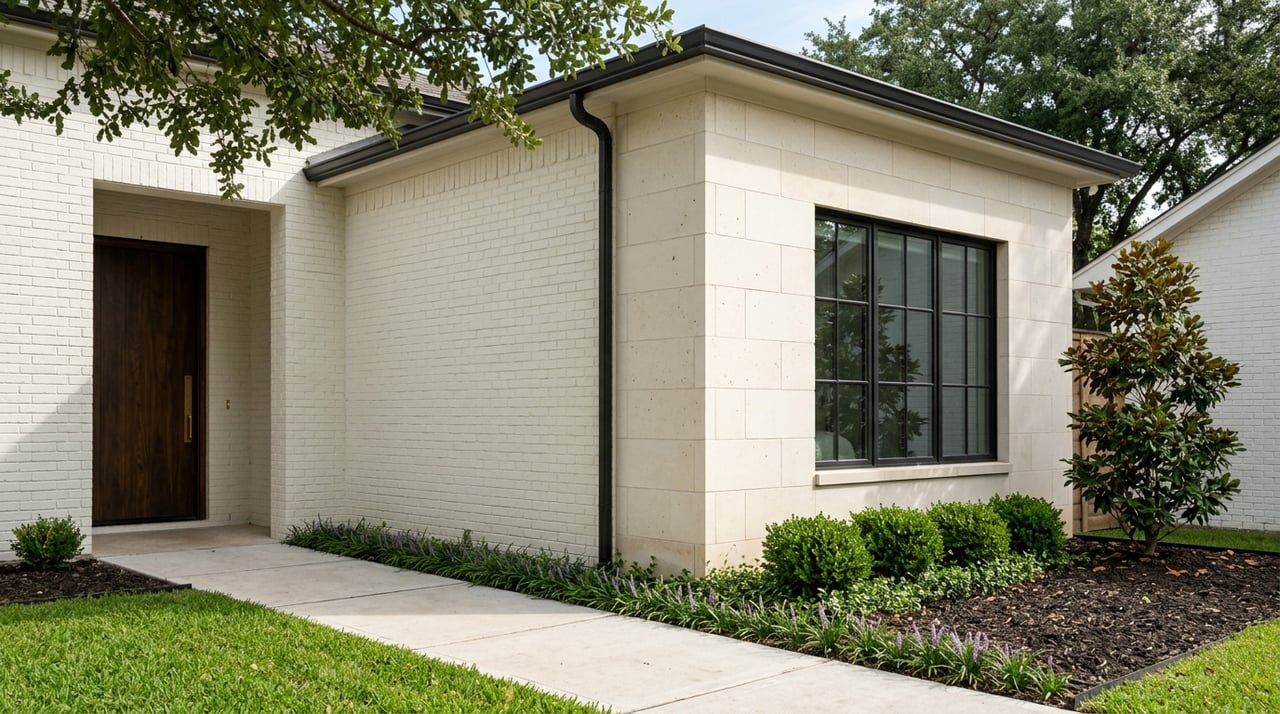
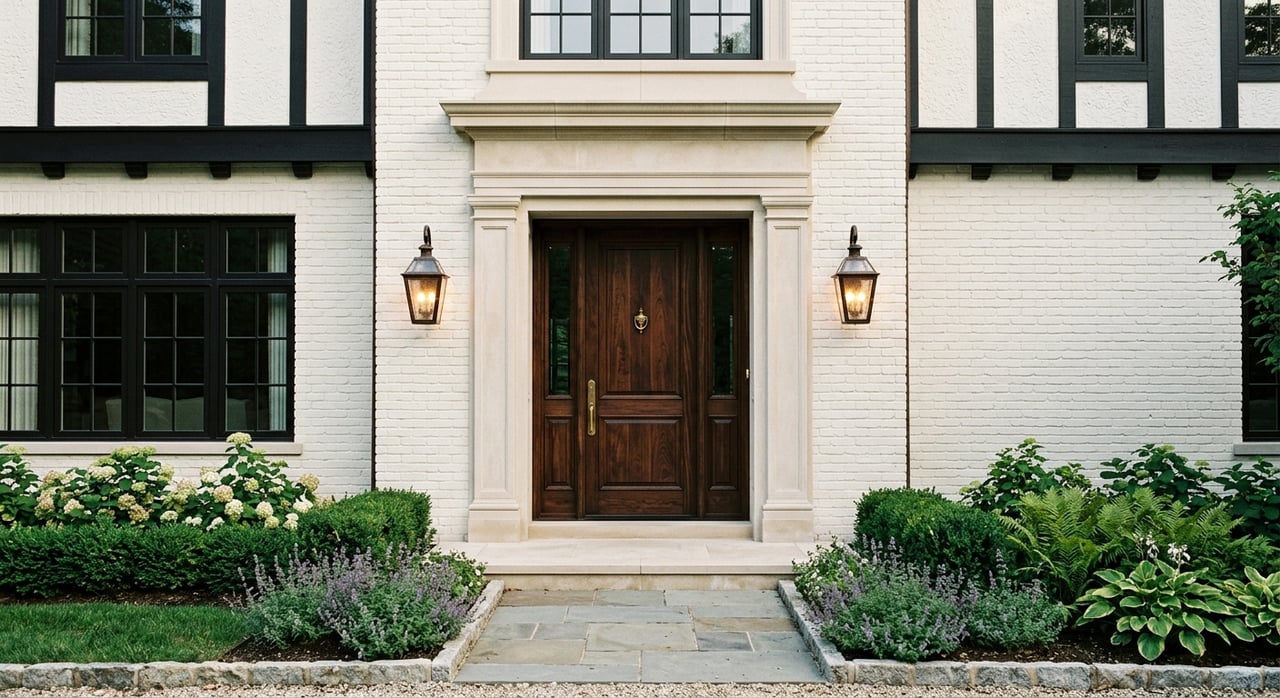
- Trim plantings, mulch beds, and pressure‑wash paths and driveways.
- Touch up exterior paint and check front door, mailbox, and house numbers.
- Keep outdoor lighting consistent and inviting for twilight photos.
Staging and visuals
- Use professional staging for upper‑mid to luxury listings. Consider virtual staging for rooms that need flexibility.
- Invest in high‑resolution photos, floor plans, and a short video or digital walkthrough to serve out‑of‑town buyers.
- Schedule twilight photography to showcase exterior warmth.
Disclosures and inspections
- Consider a pre‑listing inspection to surface repair items and reduce renegotiation risk later.
- Prepare required seller disclosures so buyers have clarity from the start.
Marketing assets
- Write a clear MLS description that highlights West U location benefits and any recent improvements.
- Prepare a launch plan with targeted digital distribution, a broker open, and at least one public open house in the first week.
Pricing and launch timing
- Finalize pricing 48 to 72 hours before you go live. Align with the most recent comparable sales and active competition.
- Consider a short coming‑soon period to build interest, then launch on a Thursday to capture weekend traffic.
- Monitor early feedback during the first 7 to 10 days and be ready to adjust if the data demands it.
Concierge can compress your timeline
A Concierge service can coordinate vendors, front or finance prep costs, and package staging and photography, which speeds your path to market. In West U, this can turn a six‑to‑eight‑week prep cycle into a two‑to‑four‑week sprint when vendor schedules are tight.
What you gain:
- One point of contact to source and schedule painters, handypeople, landscapers, cleaners, stagers, and photographers.
- Faster decision cycles and preferred vendor access that reduce delays.
- Cost coverage for approved updates, repaid at closing or per program terms.
Tradeoffs to weigh:
- Fees or financing terms will affect net proceeds. Compare projected sale price and timing with and without Concierge.
- Rapid timelines require clear scope and change‑order controls to protect quality.
- Confirm disclosures and accounting align with local MLS and Texas closing requirements.
How to measure success:
- Compare days on market to similar West U listings without Concierge.
- Review buyer feedback on presentation quality during the first week of showings.
- Model your net proceeds with and without program costs to confirm value.
Local nuances to consider
- Heat and humidity can reduce mid‑summer showing comfort. Keep interiors cool and curb appeal fresh.
- Major Houston events, hiring cycles in medical and energy sectors, and university calendars can influence weekend traffic. If you rely on these buyer pools, align your launch with their peak availability.
- Because West U has limited inventory, your direct competitors in the same price band may matter more than the month. Track what is active, pending, and just sold nearby.
Ready to plan your West U sale?
You deserve a calm, well‑orchestrated process that maximizes your outcome. If you want boutique guidance, curated pre‑listing improvements, Compass Concierge coordination, and negotiation backed by deep Inner Loop experience, connect with Tahira Syed. Schedule a personalized market consultation and get a custom timeline, pricing strategy, and launch plan tailored to your goals.
FAQs
What is the best month to list a West University Place home?
- Late February through May typically delivers the most buyer traffic and strongest competition, with a smaller second peak in September and October.
How far in advance should West U sellers start prepping?
- Minimal prep often needs 2 to 4 weeks, moderate prep 6 to 8 weeks, and major renovations 3 months or more, plus 30 to 45 days for contract to close.
Does staging really help in West University Place?
- Yes. Staging usually shortens days on market and elevates perceived value, which matters in a market where many homes are recently updated.
Should I list during the winter in West U?
- You can sell in any season, but November through January tends to be slower. If you list then, rely on standout staging, pricing discipline, and strong visuals.
How do I know if market conditions support my price?
- Track months of inventory, days on market, and list‑to‑sale price ratio in your price band. MOI under 4 months often signals stronger seller leverage.
What does a Concierge program cover for sellers?
- Concierge typically coordinates vendors, fronts approved prep costs, and manages staging and photography, then is repaid at closing per program terms.